Lombok is situated within the Coral Triangle and the Wallacea biodiversity hotspot – regions of exceptional marine diversity and widely recognised as a global conservation priority.
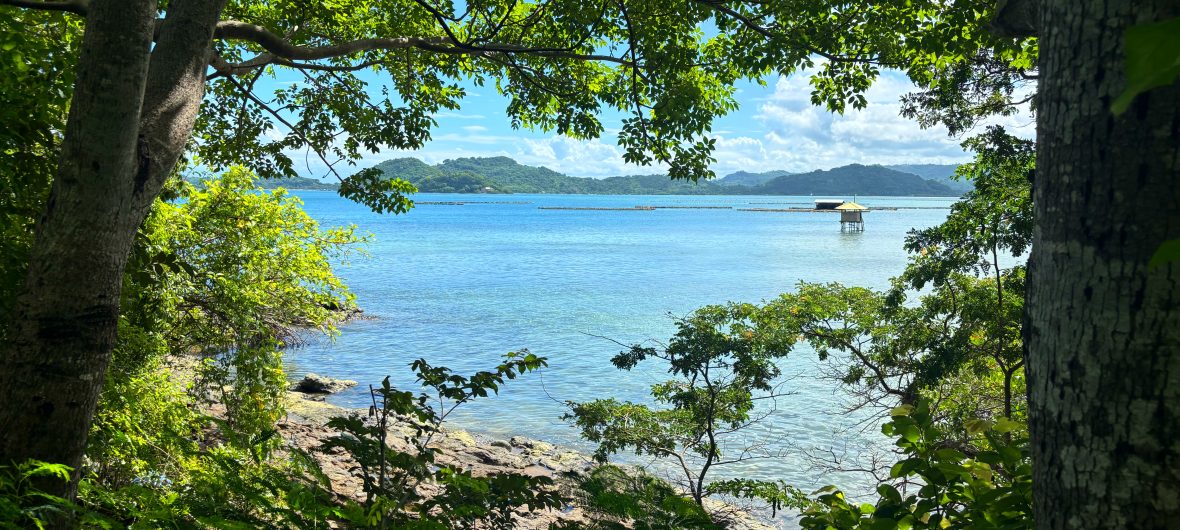
The Sekotong Peninsula, where we are based, is home to the Secret Gilis, 13 relatively untouched islands with abundant marine life, making it ideal for research and conservation.
This region has been designated as the Gita Nada Marine Park and is rich in biodiversity – home to everything from tiny pygmy seahorses that live among sea fans, to passing sharks, and the rare, majestic, white-spotted eagle rays.
While the park is officially protected, offering many pristine reef areas, enforcement is limited, and the area faces threats from unsustainable fishing practices, climate change, and unregulated tourism. Historic dynamite fishing and coral bleaching have also left parts of the ecosystem in need of restoration.
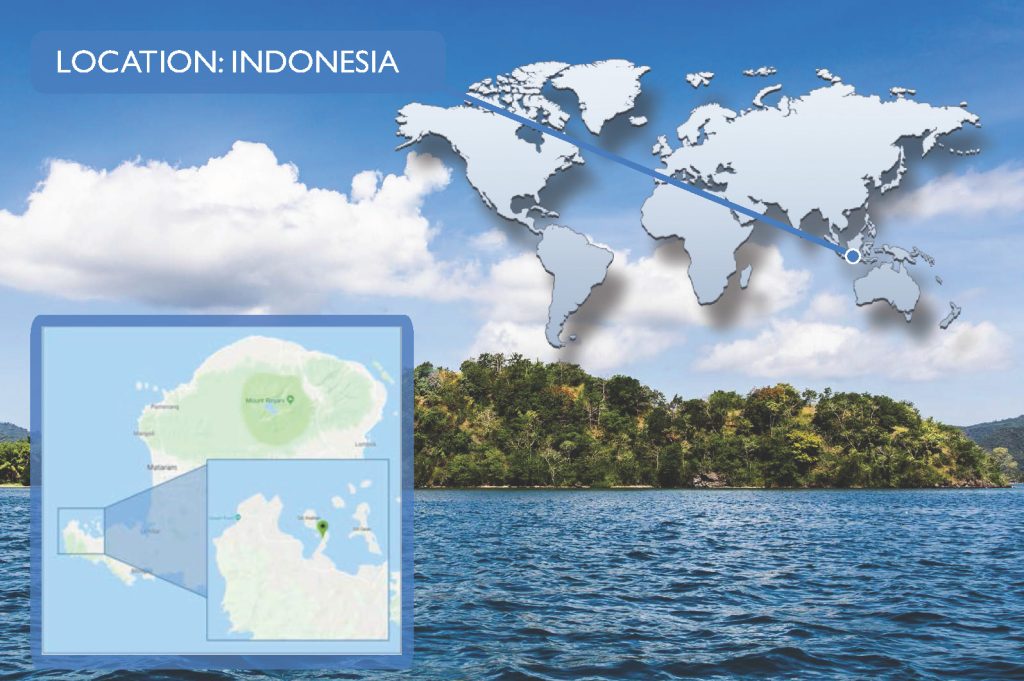
Why Indonesia?
To create meaningful impact, we focus where the need is greatest. Indonesia is the world’s largest island nation, made up of more than 17,000 islands. Its coral reefs cover 5.1 million hectares and make up 18% of the world’s total. It is home to extraordinary marine biodiversity and extensive coastal ecosystems, including:
- beaches
- mangroves
- coral reefs
- seagrass beds.
The Coral Triangle
Indonesia lies within the Coral Triangle – one of the most biodiverse marine regions on Earth. It has the Coral Triangle contains more than 600 reef-building coral species, out of 845 species worldwide. In eastern Indonesia alone, there are more than 1,650 reef fish species. This region:
- supports over 100 million people
- is worth more than US$3 billion annually in marine resources
- contains three biodiversity hotspots
- has 76% of the world’s coral species.